

 appointment
  Access
 +62 21 8665 6830
 - Top
- Department List
- Polio Vaccine
/
/

Polio Vaccine

Symptoms of Polio
Polio (poliomyelitis) is an infectious disease primarily caused by the “poliovirus” entering through the mouth, which attacks the nerve cells in the spinal cord. While many infections are asymptomatic or result in minor symptoms such as fever, sore throat, headache, and vomiting, **approximately 1 in 200 infections lead to lifelong “paralysis”** of the limbs. If the paralysis progresses, it can lead to respiratory failure and death. Although the disease is most common in children under 5 years old, non-immune adults are also at risk of infection and severe illness, so extreme caution is required before traveling to endemic areas.
Prevention Methods for Polio
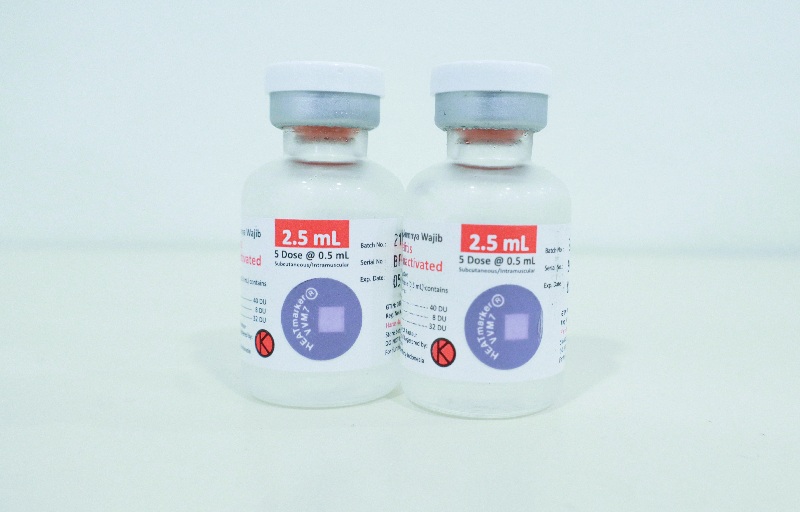
The most effective way to prevent polio is through vaccination with the Inactivated Poliovirus Vaccine (IPV). Currently, this highly safe inactivated vaccine is the primary choice in many countries.
Specifically, for Hajj and Umrah travel to Saudi Arabia, visitors arriving from certain countries or regions are required to present a vaccination certificate. Travelers coming from areas with outbreaks of either wild poliovirus or vaccine-derived poliovirus must strictly verify the entry requirements.
Specifically, for Hajj and Umrah travel to Saudi Arabia, visitors arriving from certain countries or regions are required to present a vaccination certificate. Travelers coming from areas with outbreaks of either wild poliovirus or vaccine-derived poliovirus must strictly verify the entry requirements.
Number of Doses and Immunity Period
For adults traveling to endemic areas, a single booster dose is recommended regardless of past vaccination history.
Validity period: International recommendations generally require a vaccination certificate issued within the last 12 months for entry from endemic regions.
Preparation period: Considering the time required for antibodies to develop, vaccination should be administered at least 4 weeks before departure.
Validity period: International recommendations generally require a vaccination certificate issued within the last 12 months for entry from endemic regions.
Preparation period: Considering the time required for antibodies to develop, vaccination should be administered at least 4 weeks before departure.
Frequently Asked Questions
How many days before departure should I get vaccinated?
If you are receiving IPV for the purpose of traveling to Saudi Arabia (Hajj or Umrah), it is recommended that the vaccine be administered at least 4 weeks prior to your arrival in Saudi Arabia, and that the date of vaccination falls within the previous 12 months. Please allow sufficient time when scheduling your appointment, as the certificate is not considered valid immediately after vaccination.
I was vaccinated as a child; do I still need it?
Yes. Immunity gained from routine childhood vaccinations can decrease over time. Based on WHO and Saudi Arabian authorities’ regulations, a one-time lifetime “booster dose” is highly recommended when traveling to endemic areas or participating in Hajj/Umrah.
Is vaccination required for travel other than Hajj or Umrah?
For those planning to travel to or reside in regions where polio remains endemic—such as Afghanistan, Pakistan, and parts of Africa—a booster dose is strongly advised. Please check the latest entry requirements and outbreak status of your destination in advance.
Click here to make an appointment
arrow_left
Department List

Access
Access

Menara Astra, Lantai 3, Jl.
Jenderal Sudirman, Kavling 5-6,
Karet Tengsin, Tanah Abang,
Kota Administrasi Jakarta Pusat,
Provinsi DKI Jakarta, 10220