

 appointment
  Access
 +62 21 8665 6830
 - Top
- Department List
- Diabetes Mellitus
/
/

Diabetes Mellitus

Diabetes Mellitus
What is Diabetes Mellitus
Diagnosis of Diabetes Mellitus
Complications Associated with Diabetes Mellitus
Can Diabetes Be Managed Online?
What is Diabetes Mellitus
Diabetes mellitus is a condition in which the level of glucose (sugar) in the blood remains chronically high. Normally, the sugar obtained from food is taken into the body’s cells through the action of a hormone called insulin and is used as energy.
However, in diabetes, either the pancreas does not produce enough insulin, or the body’s cells become resistant to its effects.
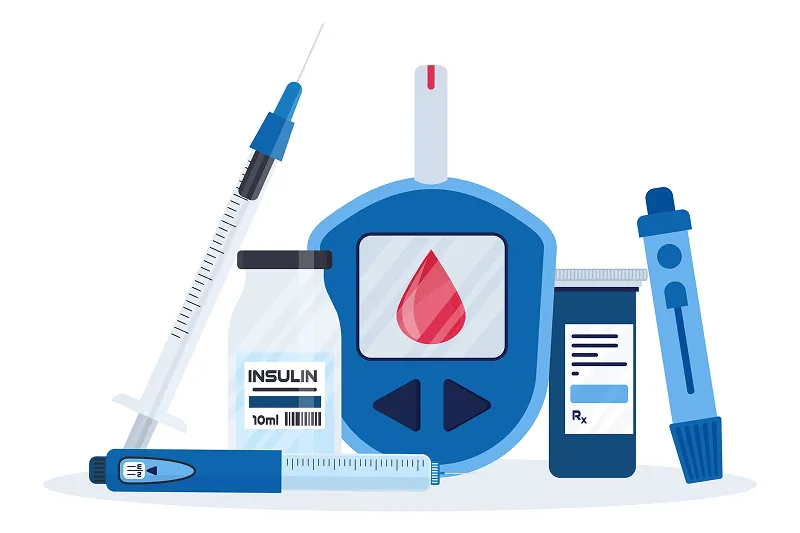
As a result, glucose is not properly utilized and continues to accumulate in the bloodstream. This persistent high blood sugar damages blood vessels and nerves throughout the body, leading over time to complications such as heart disease, kidney disease, and vision impairment.
Because early-stage diabetes often causes no symptoms and is frequently discovered during routine checkups, regular testing and early intervention are crucial.
Diagnosis of Diabetes Mellitus
Diabetes is diagnosed through blood tests that measure blood glucose and HbA1c (which reflects the average blood glucose over the past one to two months). The diagnosis is confirmed if any of the following criteria are met:
➊ Fasting plasma glucose of 126 mg/dL or higher,
➋ 2-hour value of 200 mg/dL or higher during a 75 g oral glucose tolerance test (OGTT),
➌ Casual (random) plasma glucose of 200 mg/dL or higher,
➍ HbA1c of 6.5% or higher.

A diagnosis is made when these findings are confirmed on more than one occasion (for example, if criteria ➊ and ➍ are met in a single test, diabetes can be diagnosed).
In addition, if classic symptoms such as excessive thirst, frequent urination, or unexplained weight loss are present along with markedly high blood sugar, the diagnosis can also be made.
Complications Associated with Diabetes Mellitus
Persistently high blood sugar levels damage blood vessels and nerves throughout the body, causing various complications. The most common are the “three major complications”: retinopathy, nephropathy, and neuropathy.
In diabetic retinopathy, small blood vessels in the retina are damaged, leading to bleeding or vision loss, and in advanced cases, blindness.
In diabetic nephropathy, the kidneys’ filtering function gradually declines, beginning with protein leakage into the urine and eventually leading to kidney failure requiring dialysis if untreated.
Diabetic neuropathy causes numbness or tingling in the hands and feet, making it difficult to notice injuries or infections.
In addition to these, diabetes accelerates arteriosclerosis (hardening of the arteries), increasing the risk of life-threatening diseases such as heart attack and stroke.
Therefore, comprehensive management—including control of blood glucose, blood pressure, and lipid levels—is essential to prevent complications.
Can Diabetes Be Managed Online?

Because blood tests are essential for monitoring diabetes, in-person visits are generally required.
Department List

Access
Access

Menara Astra, Lantai 3, Jl.
Jenderal Sudirman, Kavling 5-6,
Karet Tengsin, Tanah Abang,
Kota Administrasi Jakarta Pusat,
Provinsi DKI Jakarta, 10220