

 appointment
  Access
 +62 21 8665 6830
 - Top
- Department List
- Dyslipidemia
/
/

Dyslipidemia

Dyslipidemia
What is Dyslipidemia
Diagnosis of Dyslipidemia
Complications Associated with Dyslipidemia
Can Dyslipidemia Be Managed Online?
What is Dyslipidemia
Dyslipidemia refers to an imbalance in the levels of lipids (cholesterol and triglycerides) in the blood. It was previously known as “hyperlipidemia.”
The condition is diagnosed when “bad” LDL cholesterol or triglycerides are too high, or when “good” HDL cholesterol is too low. In the early stages, there are usually no symptoms, and many people discover it through a health checkup.
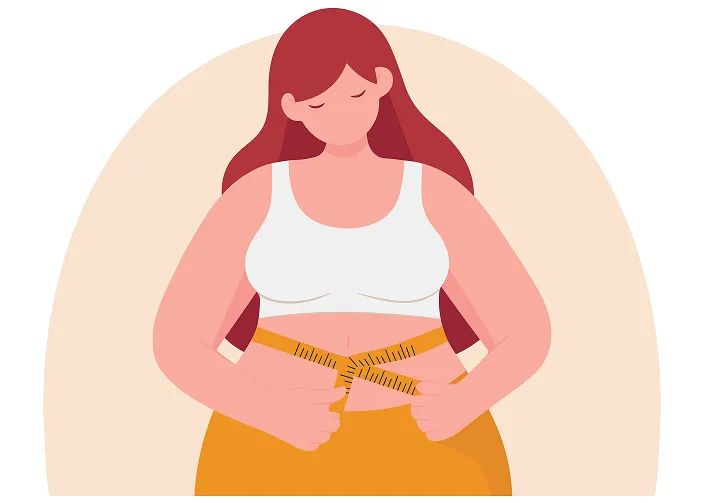
If left untreated, arteriosclerosis (hardening of the arteries) progresses, increasing the risk of serious cardiovascular diseases such as heart attack and stroke.
Diagnosis of Dyslipidemia
Dyslipidemia is diagnosed based on fasting blood test results that meet any of the following criteria:
✓ LDL cholesterol (bad): 140 mg/dL or higher
✓ HDL cholesterol (good): below 40 mg/dL
✓ Triglycerides: 150 mg/dL or higher
Diagnosis is made not only by a single test result but also by considering lifestyle and family history. Factors such as diet, lack of exercise, obesity, smoking, and excessive alcohol intake are closely related, and improving these habits can often lower the values.
In some cases, underlying conditions such as diabetes or thyroid disorders may cause dyslipidemia, and additional testing may be recommended as needed.
Complications Associated with Dyslipidemia
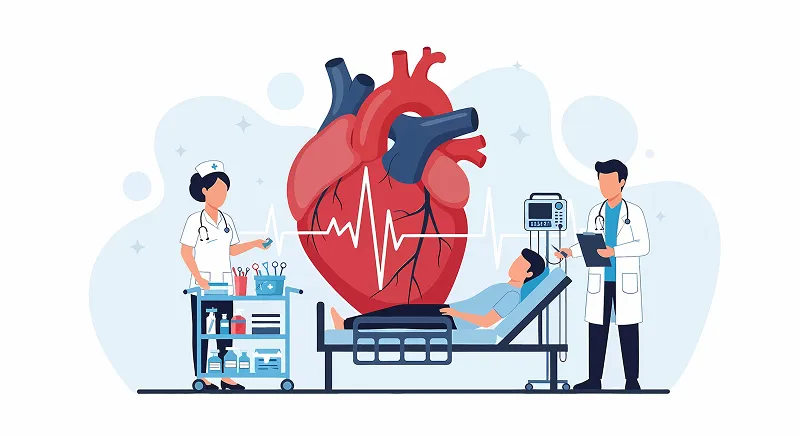
The most common complications are angina pectoris and myocardial infarction.
When fatty plaques (lipid deposits) accumulate in the coronary arteries and block blood flow, chest pain, pressure, or even sudden cardiac arrest can occur.
Brain Complications
When plaques form in the blood vessels of the brain, cerebral infarction (stroke) may occur. Blocked blood flow deprives part of the brain of oxygen, resulting in paralysis or speech disorders, sometimes leaving permanent disability.
Peripheral Vascular Complications
When the arteries in the legs become narrowed, a condition known as peripheral arterial disease (PAD) develops. This causes pain while walking (intermittent claudication), and in severe cases may lead to ulcers or tissue necrosis.
Thus, dyslipidemia is a disease that negatively affects blood vessels throughout the body if left untreated. Regular checkups, lifestyle modification, and appropriate medication therapy when necessary are essential to prevent these complications before they occur.
Can Dyslipidemia Be Managed Online?

Cases Requiring In-Person Consultation
・Chest pain, pressure, or pain radiating to the shoulders or arms
・Severe muscle pain or weakness (possible rhabdomyolysis caused by statins)
・Yellowing of the skin or eyes (jaundice)
・Severe fatigue, loss of appetite, or nausea (possible liver dysfunction)
These symptoms may indicate serious side effects or complications of lipid-lowering medications.
For your safety, please visit the nearest medical facility instead of using online consultation.

Cases Suitable for Online Consultation
・Already diagnosed with dyslipidemia and treatment is stable
・Regular test results show LDL cholesterol maintained within the target range
・No side effects from statins or other lipid-lowering drugs
・No new symptoms such as chest pain, muscle pain, jaundice, or fatigue
*Depending on the doctor’s judgment, you may be advised to visit in person.
Your safety is our highest priority, and we appreciate your understanding and cooperation.
Department List

Access
Access

Menara Astra, Lantai 3, Jl.
Jenderal Sudirman, Kavling 5-6,
Karet Tengsin, Tanah Abang,
Kota Administrasi Jakarta Pusat,
Provinsi DKI Jakarta, 10220