

 appointment
  Access
 +62 21 8665 6830
 - Top
- Department List
- Hyperuricemia (High Uric Acid Levels)
/
/

Hyperuricemia (High Uric Acid Levels)

Hyperuricemia (High Uric Acid Levels)
What is Hyperuricemia
Diagnosis of Hyperuricemia
Complications Associated with Hyperuricemia
Can It Be Managed Online?
What is Hyperuricemia
Hyperuricemia refers to a condition in which the concentration of uric acid in the blood is abnormally high. Uric acid is a waste product formed when substances called purines—found naturally in the body and in certain foods—are broken down. Normally, uric acid is filtered by the kidneys and excreted in the urine.

However, when the body produces too much uric acid or the kidneys fail to eliminate it efficiently, uric acid accumulates in the bloodstream, leading to elevated levels.
Many people have no symptoms at first, but if left untreated, uric acid crystals can deposit in the joints, causing inflammation and painful gout attacks. Because hyperuricemia can also affect the kidneys and blood vessels, early lifestyle modification and appropriate treatment are important.
Diagnosis of Hyperuricemia
Hyperuricemia is diagnosed when a blood test shows a serum uric acid level of 7.0 mg/dL or higher. Since uric acid levels can fluctuate temporarily, confirmation with multiple tests is recommended.
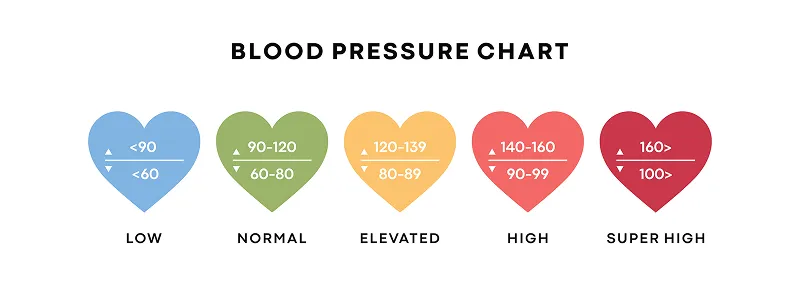
Once the level exceeds 7.0 mg/dL, uric acid becomes less soluble in the blood and tends to crystallize and deposit in the joints or kidneys.
When hyperuricemia is accompanied by gout attacks or urinary stones, it is called symptomatic hyperuricemia, whereas persistently elevated uric acid levels without symptoms are referred to as asymptomatic hyperuricemia.
Complications Associated with Hyperuricemia
If left untreated, uric acid crystals can accumulate in the joints, kidneys, and blood vessels, leading to various complications.
The most well-known is the gout attack, in which crystals deposit in the joints and cause inflammation—typically affecting the base of the big toe—resulting in redness, swelling, and intense pain. Recurrent attacks can lead to joint deformity or the formation of nodules called tophi.
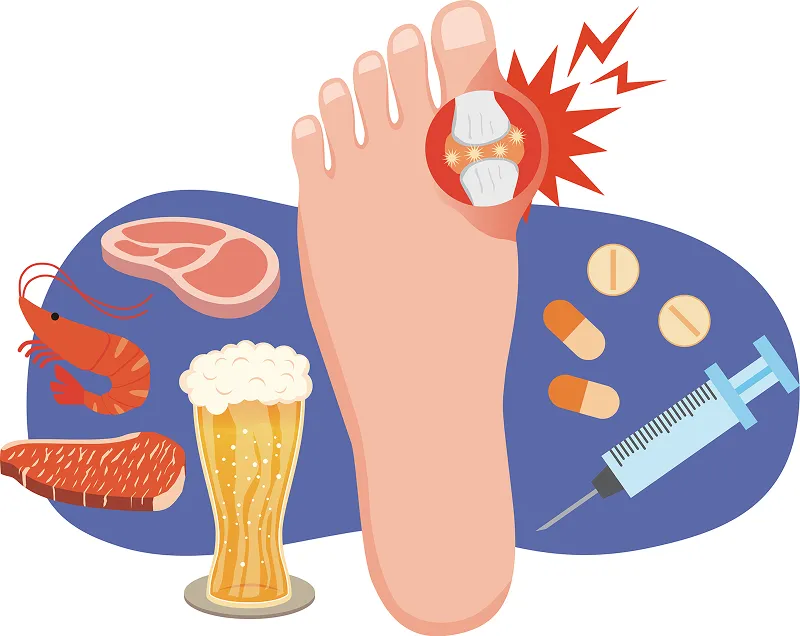
Uric acid buildup also stresses the kidneys, contributing to urinary stones or uric acid nephropathy. In recent years, hyperuricemia has been recognized as one of the major lifestyle-related diseases, alongside hypertension, dyslipidemia, and diabetes. Excess uric acid can damage the endothelium of blood vessels, promoting arteriosclerosis and renal dysfunction.
Therefore, management should include not only medication to control uric acid levels but also comprehensive lifestyle changes—such as maintaining a healthy weight, limiting alcohol intake, drinking adequate water, and reducing purine-rich foods.
Can It Be Managed Online?

Because hyperuricemia requires regular blood testing to monitor uric acid levels, in-person visits are generally necessary.
Department List

Access
Access

Menara Astra, Lantai 3, Jl.
Jenderal Sudirman, Kavling 5-6,
Karet Tengsin, Tanah Abang,
Kota Administrasi Jakarta Pusat,
Provinsi DKI Jakarta, 10220